Ledger vs Software Wallets: Why Cold Storage Wins Security
Discover why Ledger vs software wallets favors cold storage. Compare Ledger vs MetaMask security and see why offline crypto storage with Ledger defeats hot wallet risks. Buy now.
Buy Ledger Wallet Now & Secure Your FutureDigital asset security is not a luxury, it's a necessity.
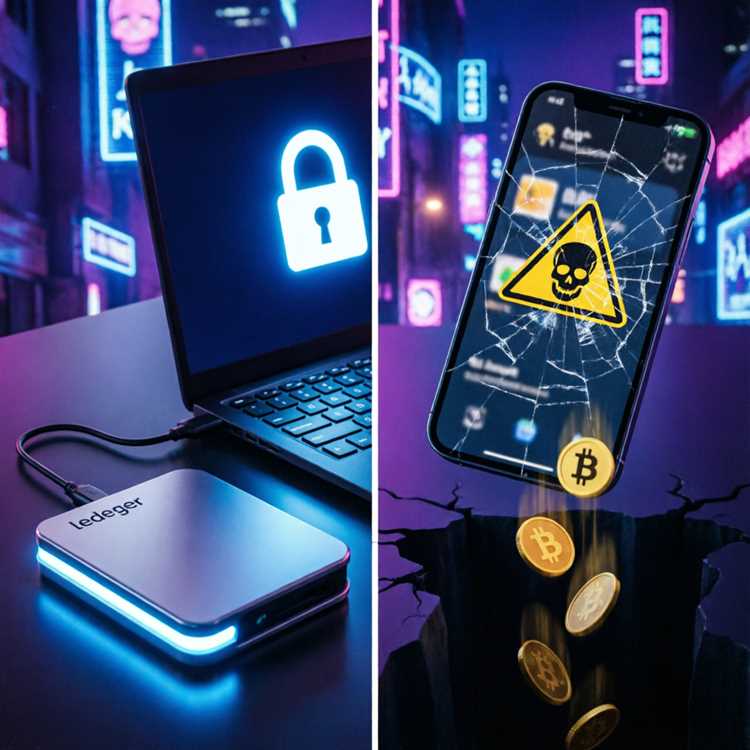
Ledger vs Software Wallets: Why Cold Storage Wins Security is a critical comparison for anyone holding cryptocurrency. Software wallets run on internet connected devices, which opens doors for hackers. Cold storage with a hardware wallet keeps private keys completely offline. This difference makes Ledger the safer choice for long term holdings.
Hackers constantly target hot wallets through phishing, malware, and exchange breaches. Even trusted platforms have lost user funds. With a hardware device, your keys never touch the web. Understanding this distinction helps you protect your assets from growing threats.
Why Do Software Wallets Face Constant Threats?
Software wallets store private keys on your phone, computer, or browser extension. Every time you connect to the internet, those keys become exposed. Malware designed to steal crypto can read keystrokes or clipboard data from app wallets.
How Phishing Attacks Target Hot Wallets
Phishing remains the number one method for stealing from software wallets. Fake websites mimic wallet interfaces. They ask you to enter your seed phrase or private key. Once you do, attackers drain your funds instantly.
Malware and Keyloggers on Connected Devices
Keyloggers record every keystroke, including your wallet password. Remote access trojans can take control of your screen. Using a hot wallet on a general purpose computer multiplies these risks.
Exchange Wallet Vulnerabilities
Exchange wallets hold funds for millions of users. One breach can empty all accounts. History shows multiple exchange hacks with losses exceeding hundreds of millions. Holding your own keys with a hardware device avoids this single point of failure.
Understanding Cold Wallet vs Hot Wallet Ledger Differences
The cold wallet vs hot wallet ledger comparison comes down to key isolation. A cold wallet like Ledger never exposes the private key to an internet connected device. Hot wallets share the key with the operating system, making them vulnerable.
Private Key Generation and Storage
Ledger generates keys inside a secure element chip. This chip is designed to resist physical tampering. Software wallets generate keys in system memory, which can be read by other applications.
Transaction Signing Process
With a hot wallet, signing happens on your computer. Malware can modify the transaction before signing. With Ledger, you approve each transaction on the device screen. The key never leaves the hardware.
How Ledger Hardware Wallet vs App Wallet Protects Your Keys
Ledger hardware wallet vs app wallet security starts with the secure element. This chip is the same type used in passports and credit cards. It isolates private keys from the host computer.
Physical Confirmation of Transactions
Every transaction requires a button press on the device. The screen shows the exact amount and address. This prevents malware from altering the transaction without your knowledge.
Seed Phrase Backup and Recovery
Your seed phrase is generated offline on the device. It is never transmitted to any computer or phone. You write it down on paper and store it safely. This ensures you can recover funds even if the device is lost.
Key Security Features That Make Ledger Stand Out
Ledger devices offer multiple layers of protection. The secure element, certified by Common Criteria EAL5+, resists side channel attacks. The operating system is built from the ground up for crypto security.
- Secure Element chip isolates private keys
- Custom operating system prevents firmware attacks
- Physical buttons confirm all actions
- Backup and recovery with 24 word seed phrase
- Compatibility with over 100 cryptocurrencies
Ledger Live Software Integration
Ledger Live connects to your hardware device but never holds your keys. It manages balances, transactions, and staking. The software acts as a view only interface.
Real World Scenarios: Ledger vs MetaMask Security
Ledger vs MetaMask security shows a clear winner. MetaMask is a browser extension wallet that stores keys in your browser. If your browser is compromised, MetaMask funds can be stolen.
Using Ledger with MetaMask for Enhanced Safety
You can actually connect your Ledger to MetaMask. This way MetaMask uses the hardware device for signing. Your keys remain offline even though you use the MetaMask interface. This combines convenience with cold storage.
Common MetaMask Vulnerabilities
MetaMask users have lost funds through fake DApps, malicious extensions, and clipboard hijacking. Using a Ledger hardware wallet eliminates these attack vectors because no key is ever in the browser.
Why Choose Ledger Over Software Wallet for Long Term Storage
Why choose ledger over software wallet for long term storage is simple. Software wallets require constant updates and vigilance. One mistake can lose everything. Ledger provides a set and forget solution.
Reduced Attack Surface Over Time
Leaving funds in a hot wallet for years increases exposure. Every new app you install could contain malware. A hardware wallet sits offline, only connected when you need to send funds.
Inheritance and Backup Planning
Ledger supports passphrase protection for hidden wallets. You can give your seed phrase to a trusted person with a passphrase. This allows inheritance without giving full access.
Ledger vs Exchange Wallet: Who Controls Your Funds?
Ledger vs exchange wallet is a custody debate. Exchange wallets hold your private keys on their servers. Ledger gives you sole control. Exchanges can freeze accounts or limit withdrawals.
Exchange Bankruptcy Risks
Multiple exchanges have gone bankrupt, leaving customers unable to withdraw. Celsius Network and FTX are recent examples. With a Ledger, your crypto stays yours regardless of exchange health.
Withdrawal Limits and Freezes
Exchanges impose daily withdrawal limits and can freeze accounts for KYC reasons. A hardware wallet has no such restrictions. You control when and how much to send.
Can Ledger Be Hacked? Breaking Down the Risks
Can ledger be hacked is a question many ask. The device itself has never been hacked remotely. Physical access attacks require advanced tools and are impractical for most users.
Phishing and Social Engineering Risks
Most Ledger hacks target the user, not the device. Fake emails asking for seed phrases are common. Never share your seed phrase with anyone. Ledger will never ask for it.
Physical Tampering Threats
Ledger devices use a secure element that resists probing. Even if someone steals your device, they cannot extract the keys without the PIN. Multiple wrong PIN attempts wipe the device.
- Choose a strong PIN code.
- Store your seed phrase offline in a safe place.
- Update firmware through Ledger Live only.
- Double check addresses on the device screen before confirming.
- Use a passphrase for an extra hidden wallet.
Setting Up Offline Crypto Storage with Ledger

Setting up offline crypto storage with ledger is straightforward. First, buy ledger wallet from an official source. Then install Ledger Live on your computer or phone. Connect the device and follow the on screen setup.
Step 1: Initialize the Device
Press both buttons to power on. Choose a PIN of at least four digits. Write down your 24 word seed phrase on the provided cards. Never photograph or type it into any computer.
Step 2: Install Cryptocurrency Apps
Open Ledger Live and install apps for the coins you want to hold. Each app is tiny and runs on the device. These apps manage transaction signing for specific blockchains.
Step 3: Transfer Funds
Use the receive feature to get a deposit address. Always verify the address on the device screen. Send a small test amount first to confirm everything works.
For troubleshooting issues like a ledger update failed error, restart the device and try again. Make sure your USB cable is working properly.
Frequently Asked Questions
Is a software wallet ever safer than a hardware wallet?
No, not for storing significant value. Software wallets are convenient for small daily spending but lack the security of cold storage.
Can I use Ledger with a mobile phone?
Yes. The Nano X and Ledger Flex support Bluetooth. Use the Ledger Live mobile app. For the Nano S Plus, you need a USB OTG cable.
What happens if Ledger the company goes out of business?
Your crypto remains safe. The seed phrase is compatible with other wallets. You can restore your funds using any BIP39 compliant wallet.
How do I know which ledger wallet comparison is right for me?
Consider how many coins you need and whether you want Bluetooth. The Nano S Plus is affordable for basic use. The Nano X adds Bluetooth and more storage. The Stax offers a touchscreen display.
| Device | Price | Compatibility | Use Case |
|---|---|---|---|
| Ledger Nano S Plus | $79 | USB C, PC, Mac, Linux, Android | Affordable cold storage, up to 100 apps |
| Ledger Nano X | $149 | Bluetooth, USB C, iOS, Android, PC, Mac | Mobile first users, more memory |
| Ledger Stax | $279 | Bluetooth, E Ink touchscreen, iOS, Android, PC, Mac | Premium experience, large screen |
| Ledger Flex | $249 | Bluetooth, E Ink touchscreen, iOS, Android, PC, Mac | Balanced price and ledger flex bluetooth feature |
Using ledger for cold storage means your private keys never touch an online device. Add an ledger extra passphrase for an additional layer of security. Your ledger wallet gives you full control over your digital assets. For those wanting the latest screen technology, check the ledger stax features.